
The LIMITATION OF VACANCIES FOR WOMEN IN SELECTION COMPETITIONS FOR ENTRY INTO STATE MILITARY INSTITUTIONS
evaluation of gender discrimination in the light of the 1988 Federal Constitution and STF jurisprudence
DOI:
https://doi.org/10.46560/meritum.v20i1.10130Abstract
The aim of this article is to evaluate, in the light of the 1988 Constitution of the Federative Republic of Brazil and case law, the limitation of vacancies for women in selection contests for entry to state military institutions - the Military Police and the Military Fire Brigade. The study is justified in order to discuss the percentage limitation for women in access to public positions and the constitutional competence of the States of the Federation to establish state laws that set the staffing levels of the military police and military fire departments. As far as methodology is concerned, the research is classified as bibliographical and documentary, using constitutional and infra-constitutional norms as sources, as well as doctrinal and jurisprudential production related to the subject. The deductive research method was adopted. It should be noted that the Federal Supreme Court decided, in a general repercussion thesis, that there will be a violation of the constitutional principles of isonomy and equality between men and women, and there is no constitutional support for setting percentages for women in access to public positions, which would constitute gender discrimination.
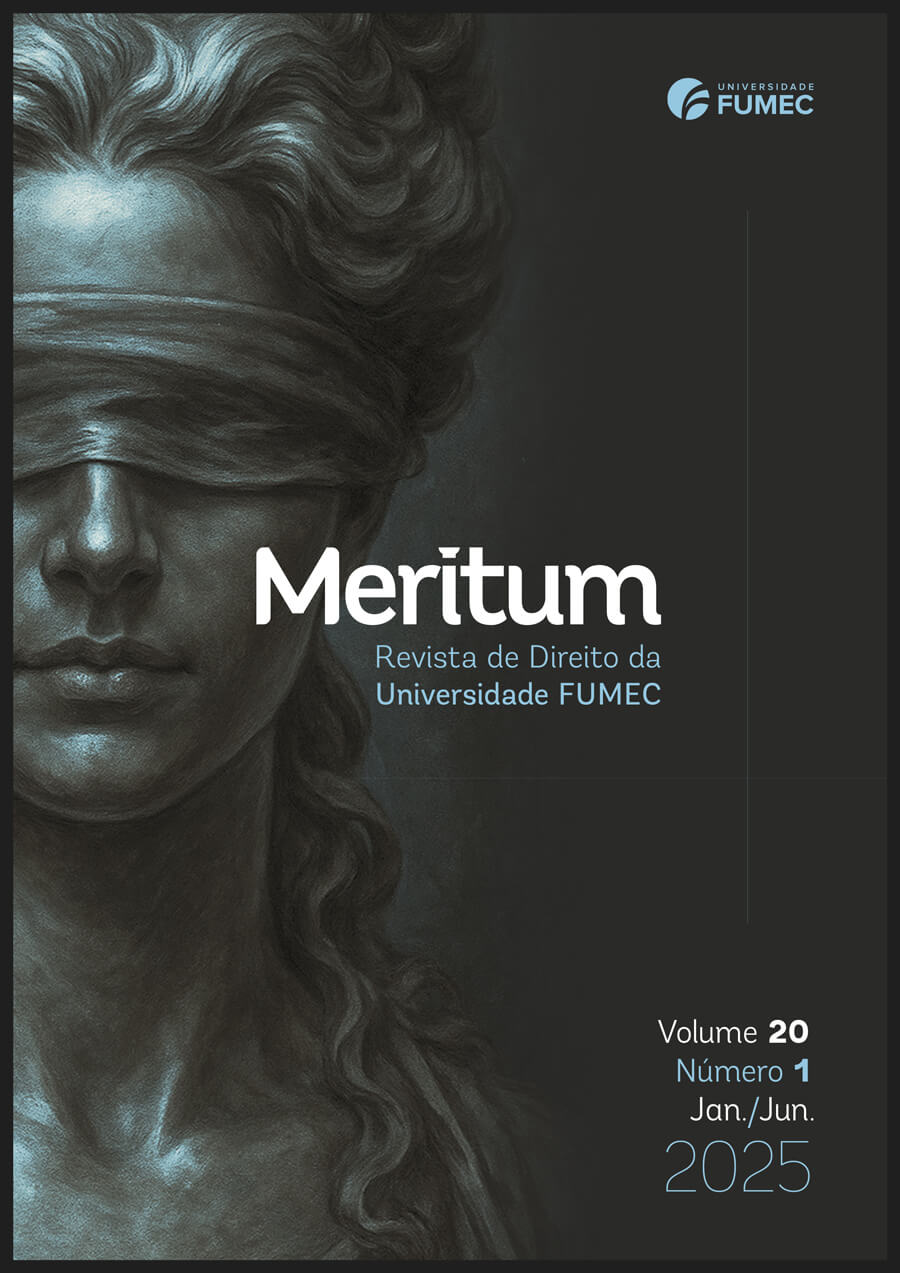
Downloads
Published
Issue
Section
License

Autores que publicam nesta revista concordam com os seguintes termos:
- Autores mantém os direitos autorais e concedem à revista o direito de primeira publicação, com o trabalho simultaneamente licenciado sob a Licença Creative Commons Attribution que permite o compartilhamento do trabalho com reconhecimento da autoria e publicação inicial nesta revista;
- Autores têm autorização para assumir contratos adicionais separadamente, para distribuição não-exclusiva da versão do trabalho publicada nesta revista (ex.: publicar em repositório institucional ou como capítulo de livro), com reconhecimento de autoria e publicação inicial nesta revista;
- Autores têm permissão e são estimulados a publicar e distribuir seu trabalho online (ex.: em repositórios institucionais ou na sua página pessoal) a qualquer ponto antes ou durante o processo editorial, já que isso pode gerar alterações produtivas, bem como aumentar o impacto e a citação do trabalho publicado (Veja O Efeito do Acesso Livre).